

PRIVATE
Impetigo
There are several forms of bacterial skin infections, varying in severity. One of these is Impetigo, a well-known type of infection. It can affect people of any age, but is most frequently seen in children and infants. Fortunately, you can now quickly seek treatment for this condition, avoiding the hassle of scheduling a GP appointment.
Pytchley Court Pharmacy - Helping the local community in Corby, Weldon, Great Oakley, Little Oakley, Stanion, Gretton and beyond.
Age range
1 year and over
Book Now
Quick skin infection treatment
Impetigo Skin Infection
Welcome to Pytchley Court Pharmacy, your trusted provider of quality healthcare services in the Corby area. We are proud to serve the communities of Weldon, Great Oakley, Little Oakley, Stanion, and Gretton. Our experienced team of pharmacists and staff are committed to helping you manage your health and wellness needs. From prescription medications to over-the-counter remedies, we have you covered. We also offer convenient services such as medication synchronization and home delivery to make your healthcare journey easier. Come visit us at Pytchley Court Pharmacy and experience personalized care and exceptional service. Your health is our top priority.
Talk to a Pharmacist Today

Impetigo Types & Symptoms
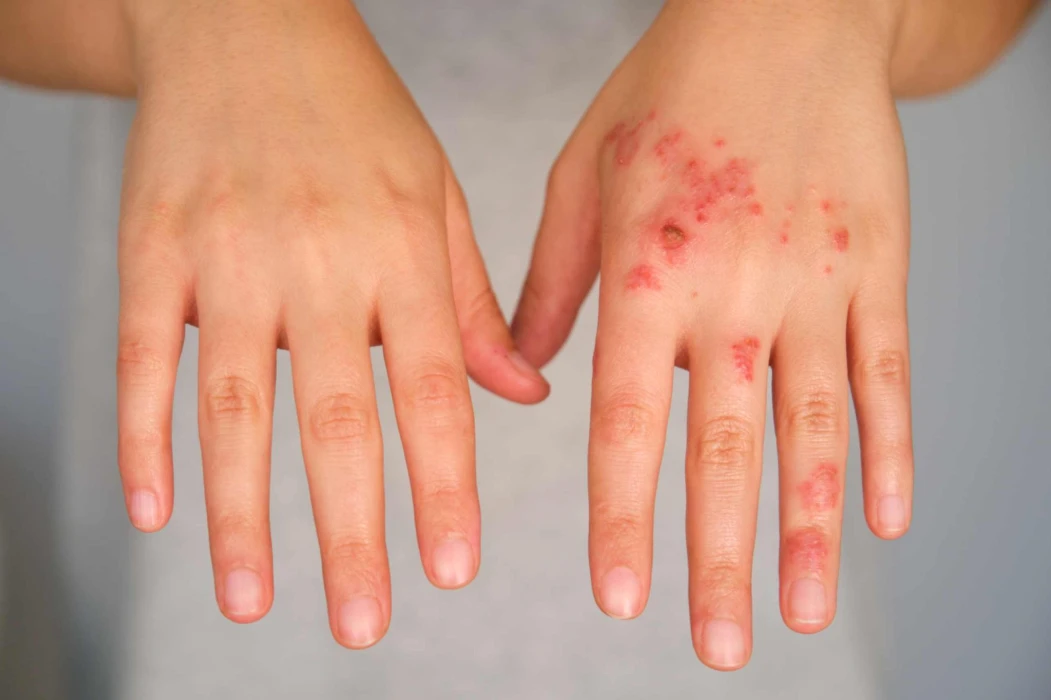
It's important to note that there are two types of impetigo: 'Bullous Impetigo' which is characterized by blistering, and 'Non-Bullous Impetigo' which does not typically involve blistering.
Bullous impetigo is typically more severe, causing large blisters, while non-bullous impetigo presents as small red sores that form honey-coloured crusts. Both can cause itching and discomfort and can usually be treated effectively with antibiotics if detected early and proper follow-up care is maintained.
Being aware of the symptoms and actively managing the condition can greatly help reduce its impact on an individual's health.
Book Your Appointment
Red sores (non-bullous impetigo)
Blisters (bullous impetigo)
Enlarged lymph nodes
Itchy / painful skin lesions
Fever
Who is most at risk?
Impetigo is most common in young children and infants, but it can affect people of any age.
People with weakened immune systems may be more susceptible to infection.
Warm and humid conditions can increase the likelihood of impetigo spreading.
Existing skin conditions, such as eczema, psoriasis or dermatitis, can make the skin more vulnerable to infection.
What you should know
Impetigo is a common and highly contagious skin infection that can usually be treated effectively when recognised early. Here's who is most at risk, how it's treated, and why prompt advice matters.
Treatment
Topical antibiotic creams are often used to treat impetigo by targeting the bacteria causing the infection.
Oral antibiotics may be recommended for more severe or widespread cases.
Good hygiene practices can help prevent the infection from spreading to others.
Over-the-counter pain relief may help ease discomfort.
Follow-up consultations or specialist referrals may be needed if symptoms do not improve as expected.
Get Treatment Advice
Possible Complications
Complications from impetigo are uncommon, but untreated infections can occasionally become more serious.
In some cases, the infection can spread to deeper layers of the skin, leading to conditions such as cellulitis.
Seek medical advice promptly if symptoms worsen or fail to improve, as specialist treatment may be required.