


Cystitis
Cystitis is an inflammation of the bladder, typically caused by a bacterial infection, which results in symptoms like painful urination, a frequent and urgent need to urine, and lower abdominal pain. It is a common type of urinary tract infection (UTI), particularly in women, and can often be treated with antibiotics or may improve on its own.
Pytchley Court Pharmacy - Helping the local community in Corby, Weldon, Great Oakley, Little Oakley, Stanion, Gretton and beyond.
Book Now
Symptoms & Causes
Symptoms
- A stinging or burning pain during urination
- A frequent and urgent need to urinate, even when the bladder is not full
- Lower abdominal pain or pressure
- Cloudy or strong-smelling urine
- Blood in the urine
- In children, symptoms can also include a high temperature, irritability, and sickness
Causes
- Bacteria entering the bladder through the urethra (the tube that carries urine out of the body)
- For women, a shorter urethra makes them more susceptible to bacteria from the bowel or skin entering the bladder
- Sexual intercourse
- Wiping from back to front after using the toilet
- Using certain types of contraception, such as spermicides
- Other factors include urinary catheters, pregnancy, diabetes, a weakened immune system, or conditions that make it hard to empty the bladder completely

Treatment
Supply of antibiotics when clinically suitable and safe, with counselling on use and side effects.
Testing
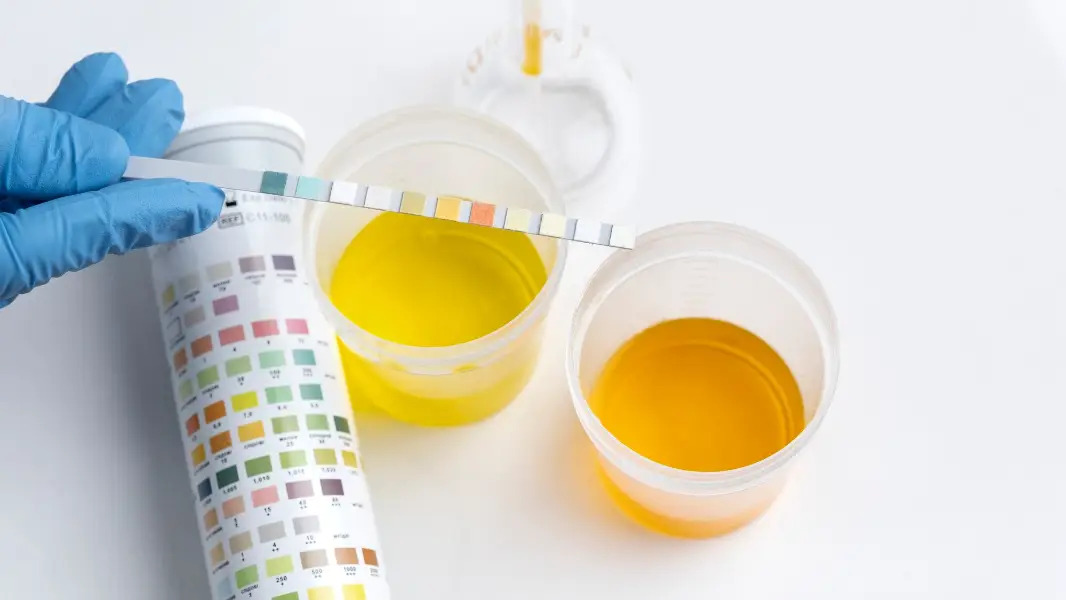
Urine dip testing and symptom review to support diagnosis and treatment decisions.
Clinical Review
Clinical assessment including allergies, medications and red flags requiring GP referral.
What the test involves
Urine dipstick testing helps identify markers such as nitrites and leucocytes that suggest a bacterial urinary tract infection. The pharmacist combines test results with your symptoms and medical history to decide on treatment. If antibiotic therapy is suitable, the pharmacist will explain dosing, possible side effects, and when to seek further help. If the infection looks complicated or the patient is high risk, the pharmacist will refer to a GP or urgent services. Hydration and simple symptom measures are also advised.
What to Expect After Treatment
If antibiotics are supplied, follow the pharmacist’s instructions exactly. Complete the full course unless directed otherwise. Expect symptom improvement within 48–72 hours; if symptoms persist or worsen, return to the pharmacy or see your GP. For mild bladder discomfort, paracetamol or ibuprofen can help; avoid bladder irritants like caffeine and alcohol while symptomatic. Keep well hydrated and rest. If you develop fever, flank pain, vomiting, or severe malaise, seek urgent medical care as these may indicate kidney involvement.